


DR. COREY IS THE BERTARELLI PROFESSOR
of Translational Medical Science and a professor of neurobiology in the Blavatnik Institute at HMS. His research represents a continuum from basic science on fundamental principles of sensory perception to the specific application of that science for treating inherited diseases of vision and hearing. In the past year, he has continued to work on three broad projects, as detailed in the following pages. The Molecular Mechanism of Auditory Transduction


David P. Corey, PHD

Gene Therapy for Usher Syndrome Type 1F
Usher syndrome type IF is a devastating hereditary disease characterized by the complete absence of hearing and balance at birth and a slowly progressing blindness. It is caused by mutations in the PCDH15 protein, which functions in both the inner ear's sound sensing hair cells and the retina's light-sensing photoreceptors.

Gene Therapy for GJB2-Related Deafness
Mutations of the GJB2 gene cause DFNBl, which is by far the most common form of hereditary deafness. Unlike most deafness genes, GJB2 functions within the cochlea's nearby epithelial cells and fibrocytes rather than the hair cells.
The Molecular Mechanism of Auditory Transduction
The most fundamental event in hearing is the conversion of sound into an electrical signal by opening ion channels in inner ear hair cells. Among the known components of this mechanotransduction complex are proteins that respond to sound by causing the cilia atop each hair cell to vibrate.


Bertarelli
Fellowship Program
For over a decade, the partnership with the École Polytechnique Fédérale de Lausanne (EPFL) has facilitated an enriching exchange of visiting master’s degree students. Each year, through a rigorous selection process at the EPFL, five outstanding engineering students are chosen to embark on their master’s research journey at HMS, lasting 10-12 months. These exceptionally qualified students benefit from the mentorship of experienced faculty at Harvard, where host laboratories undergo thorough prescreening to ensure exemplary student training. The Bertarelli Fellowship program empowers students to apply quantitative methods to biomedical research, providing comprehensive training in the techniques and the challenges associated with translational science.

Current Bertarelli Fellows


EMMA FARINA
Farina’s Project Summary
Gastroparesis is a debilitating disorder characterized by delayed gastric emptying in the absence of mechanical obstruction, leading to nausea, vomiting, early satiety, bloating, and abdominal pain. Existing drugs have failed to demonstrate efficacy or have limited symptomatic relief that becomes resistant over time. The celiac ganglion and celiac plexus innervate the stomach, and their dysfunction is at the root of gastroparesis.
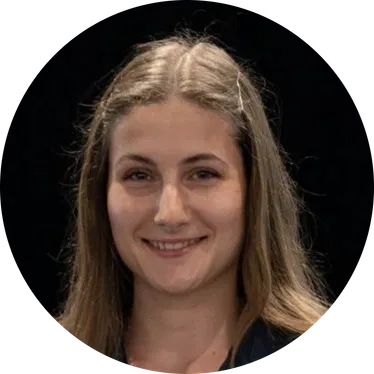
ANNA CHAMOT
Anna’s Project Summary
Advances in understanding the underlying mechanisms of animal behavior-from the reception and processing of input signals to the effectors-can help to better understand the differences in behavior from one individual to another according to their age, internal state, sex, or physical or psychological condition. Chamot's project focuses on understanding the neural networks that contribute to social behaviors, such as parenting, feeding, visiting with the same or different sex, or behaviors surrounding illness.

LUCA LIEBI
Liebi’s Project Summary
Liebi's project aims to investigate the mechanisms of neuronal integration of various upstream inputs at the level of single neurons and small networks of neurons in the superior colliculus, a midbrain region known for its critical role in motor control. This structure is thought to be involved in switching between motor modules, such as the running and jumping of a high jumper.
Next →


Bertarelli
Family Building
Renovation Fund

Igniting Collaborative Breakthroughs
One of the five original marble buildings shaping HMS' iconic quadrangle, the 70,000-foot Building C holds a prominent position at the heart of HMS' campus. Throughout its existence, it has served as the home of groundbreaking research within the Department of Cell Biology, the Department of Biological Chemistry and Molecular Pharmacology (BCMP), and the Therapeutics Initiative (Tl), embodying a rich history that seamlessly bridges past innovations with the promise of future discovery.
The following pages feature conceptual diagrams and refined designs that cast light on the latest vision for Building C, showcasing how it will translate exemplary scientific research into groundbreaking medical solutions that benefit humanity.

The original five buildings-A, B, C, D, and E-of the Quadrangle, as they stood in 1906.

Conceptual Designs


Hover for Experience
The volume diagram above reveals a stratified design for Building C.


The stack addition in the atrium will feature a 31-seat meeting room and common areas.
Proposed Floor Plans
Next →

